
US-Iran Tensions 2026: Latest Updates, Nuclear Talks, Sanctions and Rising Middle East Conflict
Contents
US-Iran Tensions 2026 have become one of the most important international political and security issues. Relations between Washington and Tehran remain extremely tense following months of military confrontation, economic sanctions, diplomatic disagreements and growing instability across the Middle East.
As of November 6, 2026, diplomatic efforts are continuing through regional mediators, including Qatar. However, disagreements over nuclear negotiations, economic sanctions, maritime security and regional military activity are making a peaceful settlement difficult.
The situation is attracting international attention because it could affect global oil supplies, international trade, financial markets and regional security.
1. Background of US-Iran Tensions
The relationship between the United States and Iran has been difficult for several decades. Tensions increased significantly after the Iranian Revolution in 1979, which changed Iran’s political system and ended its close relationship with Washington.
Since then, both countries have experienced disagreements over nuclear development, economic sanctions, regional influence and security issues.
The United States has repeatedly accused Iran of supporting armed groups in the Middle East and pursuing activities that threaten regional stability. Iran, meanwhile, has criticised American sanctions and military involvement in the region.
The disagreements have continued despite several attempts at diplomatic negotiations.
2. Military Conflict Increased in 2026
A major turning point occurred on February 28, 2026, when the United States and Israel launched military strikes against Iran.
The attacks targeted Iranian military and nuclear-related infrastructure. Iran responded with attacks against Israeli targets and locations across the region, including areas hosting American military forces.
The conflict quickly became a major regional security crisis.
The fighting also affected neighbouring countries and raised concerns about the safety of international shipping routes. The death of Iran’s Supreme Leader Ali Khamenei during the February strikes further intensified the political situation.
Although a ceasefire was reached in April, the agreement did not permanently resolve the conflict.
3. Latest US-Iran News: November 2026
The latest developments indicate that both countries are still exploring diplomatic solutions while maintaining strong political positions.
According to a Reuters report published on November 5, Iran sent a nuclear proposal to the United States through Qatar. An Iranian official said that Tehran wanted several conditions addressed before further negotiations.
These demands reportedly include lifting American sanctions, releasing frozen Iranian assets and addressing compensation claims.
Washington is reviewing the proposal, but important disagreements remain.
The diplomatic situation is particularly important because both governments are facing pressure to prevent another major escalation.
4. Qatar’s Role in US-Iran Negotiations
Qatar has become an important diplomatic channel between Washington and Tehran.
The country has been involved in discussions aimed at reducing tensions and encouraging both governments to consider a political settlement.
On November 6, 2026, US President Donald Trump discussed Middle East de-escalation with Qatar’s Emir Sheikh Tamim bin Hamad Al Thani.
The conversation focused on diplomatic mediation, regional security, maritime navigation and protecting energy supplies.
Other regional countries, including Egypt and Turkey, are also encouraging diplomatic engagement.
These efforts demonstrate that neighbouring countries understand the importance of preventing another prolonged regional conflict.
5. US Economic Sanctions Against Iran
Economic sanctions remain one of Washington’s most important policy tools against Tehran.
The United States has introduced restrictions affecting several Iranian economic sectors, including:
-
Oil and energy exports.
-
Banking and financial transactions.
-
Shipping and transportation.
-
Industrial and manufacturing activities.
-
Businesses accused of supporting restricted activities.
The objective of these sanctions is to put economic pressure on the Iranian government and encourage changes in its policies.
On November 5, 2026, the US Treasury Department also announced sanctions targeting Indian and Turkish entities and individuals accused of helping Iran avoid existing restrictions.
These developments show that the economic dispute between the two countries extends beyond their borders.
6. Strait of Hormuz and Global Oil Markets
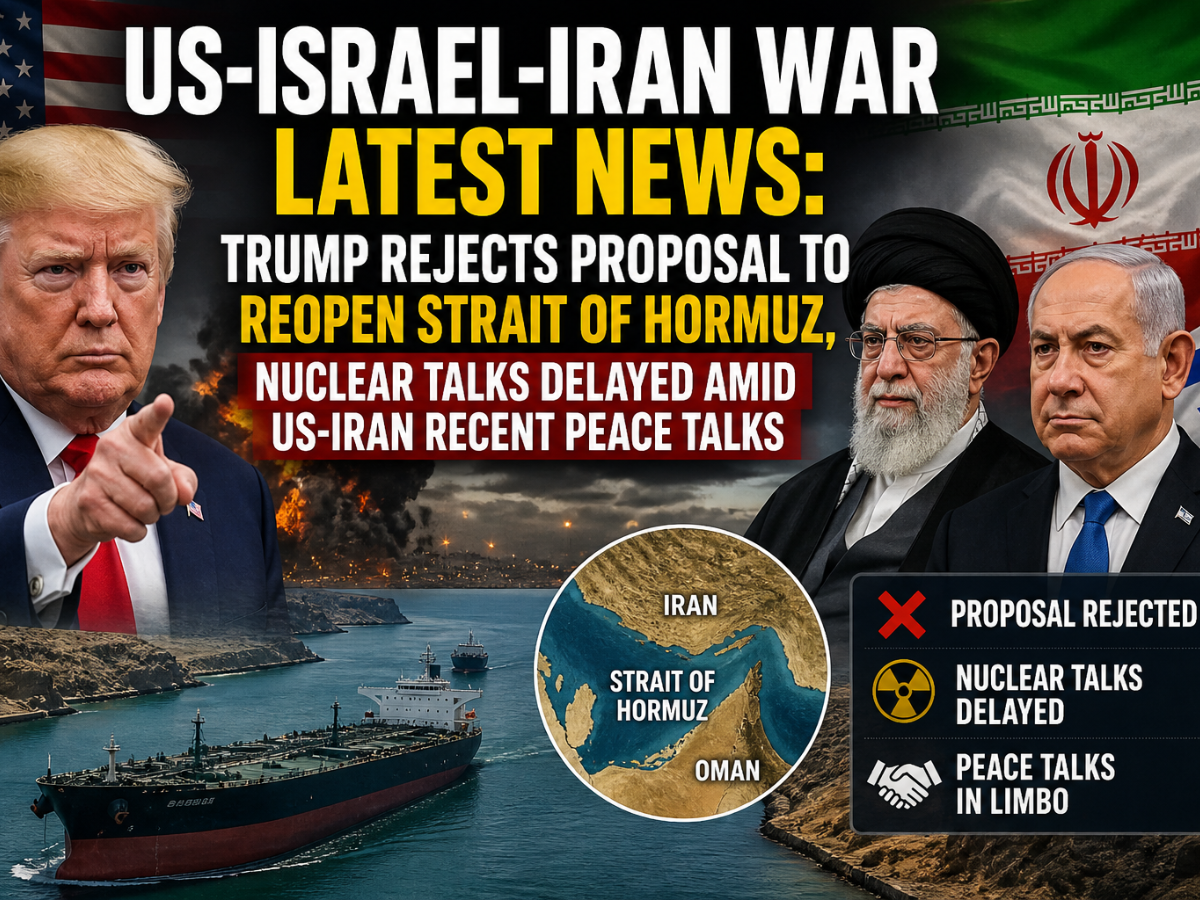
One of the biggest concerns in the US-Iran conflict is the Strait of Hormuz.
The Strait of Hormuz is a strategically important waterway connecting the Persian Gulf with the Gulf of Oman. A significant amount of international oil transportation passes through this route.
Any major disruption could affect international energy supplies and increase transportation costs.
During the 2026 conflict, threats and attacks involving commercial shipping created serious concerns about maritime security.
Recent reports have also described incidents involving tankers and alleged naval mines. These developments have increased international pressure for the restoration of safe shipping.
For countries that depend heavily on imported energy, including India, the situation deserves close attention
7. Impact of US-Iran Tensions on India
India is closely monitoring developments between the United States and Iran because of its economic and strategic interests in the Middle East.
There are several important areas where the conflict could affect India.
Oil prices: Any disruption to international energy transportation could create uncertainty in crude oil markets.
International trade: Shipping delays and higher transportation costs could affect businesses and importers.
Indian citizens abroad: Regional instability creates concerns about the safety of Indian nationals living and working in affected countries.
Diplomatic relations: India maintains important relationships with the United States, Iran and Gulf countries. Maintaining balanced diplomatic relations is therefore important.
India’s economic interests make stability in the Middle East particularly significant.
8. Can the US and Iran Reach a Peace Agreement?
A permanent agreement remains uncertain, but diplomatic discussions provide an opportunity to reduce tensions.
Several important issues need to be addressed before both countries can reach a comprehensive settlement.
These include:
-
Iran’s nuclear programme.
-
American economic sanctions.
-
The security of international shipping.
-
Military activities across the Middle East.
-
The future of regional security arrangements.
-
The status of frozen Iranian financial assets.
The biggest challenge is that Washington and Tehran have different expectations about the order in which these issues should be resolved.
Both sides will need to demonstrate flexibility if negotiations are to produce meaningful results.
9. What Could Happen Next?
There are several possible developments in the coming weeks.
Diplomatic progress: Qatar and other regional countries could help arrange further discussions between American and Iranian representatives.
Continued economic pressure: Washington could maintain or expand sanctions if negotiations fail.
Further regional instability: Additional military incidents could make diplomatic efforts more difficult.
A possible agreement: Both countries could eventually agree on temporary arrangements involving maritime security, sanctions and nuclear negotiations.
However, predicting the exact outcome remains difficult because the situation can change quickly.
10. Conclusion
US-Iran tensions in November 2026 remain a major international concern. Military confrontation, economic sanctions, nuclear disagreements and disputes over the Strait of Hormuz have created a complicated regional crisis.
Recent diplomatic efforts involving Qatar offer a possible path towards reducing tensions. However, a permanent agreement will require compromises from both Washington and Tehran.
The outcome will have consequences not only for the Middle East but also for international oil markets, global trade and countries such as India.
For now, the international community is closely watching developments and hoping that diplomatic negotiations can prevent another major escalation.