
Introduction to Artificial Intelligence
Contents
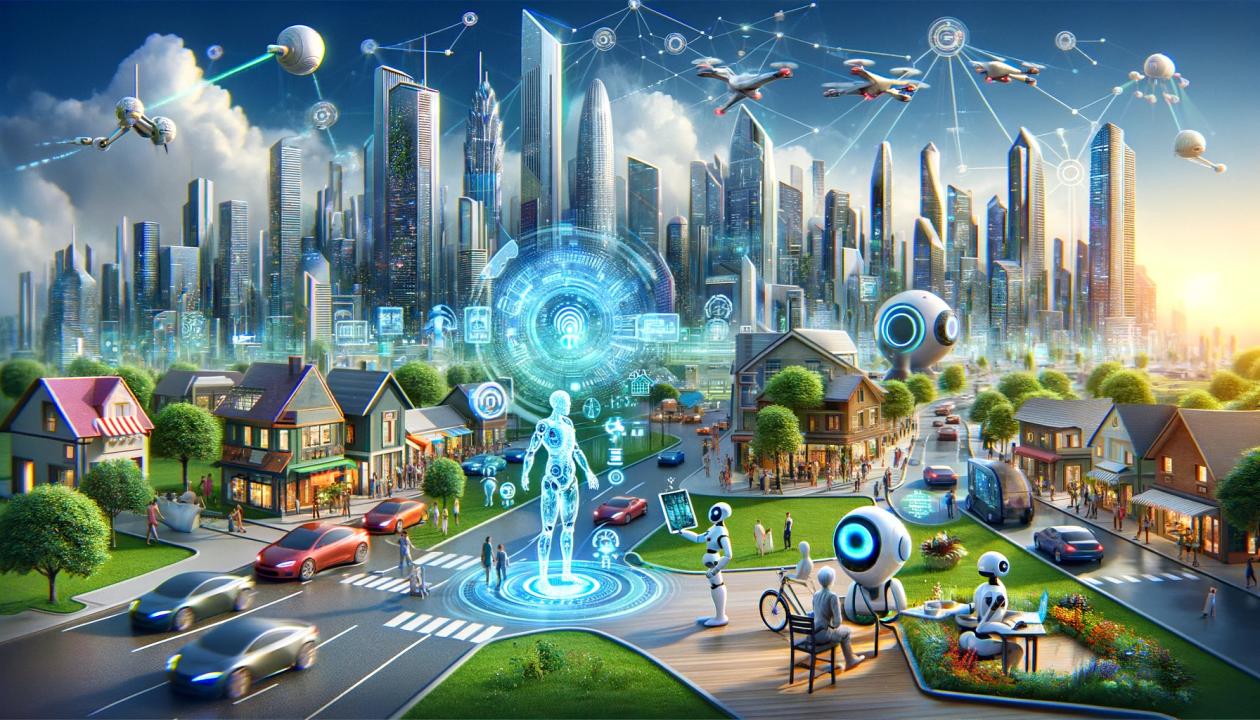
Artificial Intelligence (AI) is one of the most important technologies in the modern world. It is changing how people work, learn, communicate and solve problems. From smartphones and smart assistants to healthcare systems and online shopping, AI has become an important part of everyday life.
Artificial Intelligence refers to the ability of computer systems and machines to perform tasks that normally require human intelligence. These tasks include learning, problem-solving, understanding language, recognizing images and making decisions.
Today, many companies are investing in AI technology to improve their services, increase productivity and create new opportunities. AI is also becoming popular in education, banking, transportation, entertainment and business.
What Is Artificial Intelligence?
Artificial Intelligence is a branch of computer science that focuses on developing machines and software capable of performing intelligent tasks.
AI systems use data, algorithms and computer models to identify patterns and generate results. For example, when you search for something on Google, watch recommended videos on YouTube or use voice assistants, artificial intelligence may help provide personalized results.
AI does not work exactly like the human brain. Instead, it processes information using mathematical models and computer programs.
The main goal of artificial intelligence is to make machines more useful, efficient and capable of solving complex problems.
Types of Artificial Intelligence
Artificial Intelligence can be divided into different types based on its capabilities.
1. Narrow Artificial Intelligence
Narrow AI is designed to perform specific tasks. It is the most common type of AI used today.
Examples include:
-
Voice assistants.
-
Face recognition systems.
-
Online recommendation systems.
-
Language translation tools.
-
Spam email detection.
2. General Artificial Intelligence
Artificial General Intelligence (AGI) refers to a theoretical type of AI that could understand, learn and perform different intellectual tasks at a human-like level.
However, fully developed AGI has not yet been achieved.
3. Super Artificial Intelligence
Artificial Super Intelligence (ASI) is a theoretical concept involving machines that would exceed human intelligence across many areas.
It remains a subject of scientific research and discussion.
Uses of Artificial Intelligence in Daily Life
Artificial Intelligence is used in many areas of everyday life. Some important examples include:
1. Artificial Intelligence in Education
AI is changing the education sector by making learning more accessible and interactive. Students can use AI-powered tools to understand difficult subjects, practice languages and organize their studies.
Teachers can also use AI tools to prepare educational materials and support students with different learning needs.
2. Artificial Intelligence in Healthcare
AI technology is helping healthcare professionals analyze medical information, support diagnosis and improve patient care.
AI-powered systems can assist in examining medical images, identifying possible health risks and organizing hospital information.
However, important medical decisions still require qualified healthcare professionals.
3. Artificial Intelligence in Business
Businesses use AI to understand customer needs, analyze market trends and improve customer service.
AI chatbots can answer common questions, while data analysis tools help companies make better business decisions.
4. Artificial Intelligence in Transportation
AI is being used in traffic management, navigation systems and vehicle safety technologies.
Smart navigation applications analyze traffic information to suggest suitable routes and help people save time.
5. Artificial Intelligence in Entertainment
AI helps streaming platforms recommend movies, music and videos based on user interests.
It is also used in animation, video editing, gaming and digital content creation.
Benefits of Artificial Intelligence
Artificial Intelligence offers several benefits to individuals, businesses and society.
1. Saves Time: AI can complete many repetitive tasks quickly, helping people save time.
2. Improves Productivity: Businesses can use AI tools to organize work and improve efficiency.
3. Reduces Human Errors: AI systems can help reduce certain mistakes when properly designed and checked.
4. 24/7 Availability: Many AI-powered services can operate throughout the day.
5. Better Data Analysis: AI can process large amounts of information and identify useful patterns.
6. Supports Innovation: AI encourages the development of new products, services and technologies.
Disadvantages and Challenges of Artificial Intelligence
Although AI has many advantages, it also creates some challenges.
-
Job Changes: Automation may reduce demand for some repetitive jobs while creating demand for new skills.
-
Privacy Concerns: AI systems may use personal data, creating privacy risks.
-
High Development Costs: Developing and maintaining advanced AI systems can be expensive.
-
Incorrect Information: AI tools sometimes generate inaccurate or misleading answers.
-
Security Risks: AI can be misused for scams, misinformation and other harmful activities.
-
Overdependence: Excessive reliance on AI may reduce opportunities to develop independent problem-solving skills.
Responsible development and proper regulation are important to address these challenges.
Future of Artificial Intelligence
The future of Artificial Intelligence is expected to bring major changes across different industries. AI technology may become more advanced, accessible and integrated into everyday activities.
In education, AI may provide more personalized learning experiences. In healthcare, it may support faster analysis and medical research. In business, AI automation may improve productivity and customer services.
At the same time, governments, researchers and technology companies will need to focus on data privacy, safety, transparency and responsible AI development.
Learning digital skills and understanding AI technology will become increasingly important for students and professionals.
Artificial Intelligence and Human Life
Artificial Intelligence is not only changing industries but also influencing human lifestyles. People use AI-powered applications for communication, shopping, entertainment, education and daily planning.
AI can make many activities easier, but human creativity, critical thinking, emotions and decision-making remain important.
The best approach is to use AI as a supporting technology rather than depending on it for every task.
Conclusion
Artificial Intelligence is one of the most influential technologies of the modern era. It is transforming education, healthcare, business, transportation and entertainment. AI provides many benefits, including improved productivity, faster data analysis and automation.
However, challenges such as privacy, job changes, misinformation and security risks must also be considered.
In the coming years, Artificial Intelligence will continue to develop and influence society. Understanding its uses, benefits and limitations can help people prepare for a technology-driven future.