
India–Pakistan Military-Level Talks: Latest Developments, Diplomatic Relations and Regional Peace
Contents
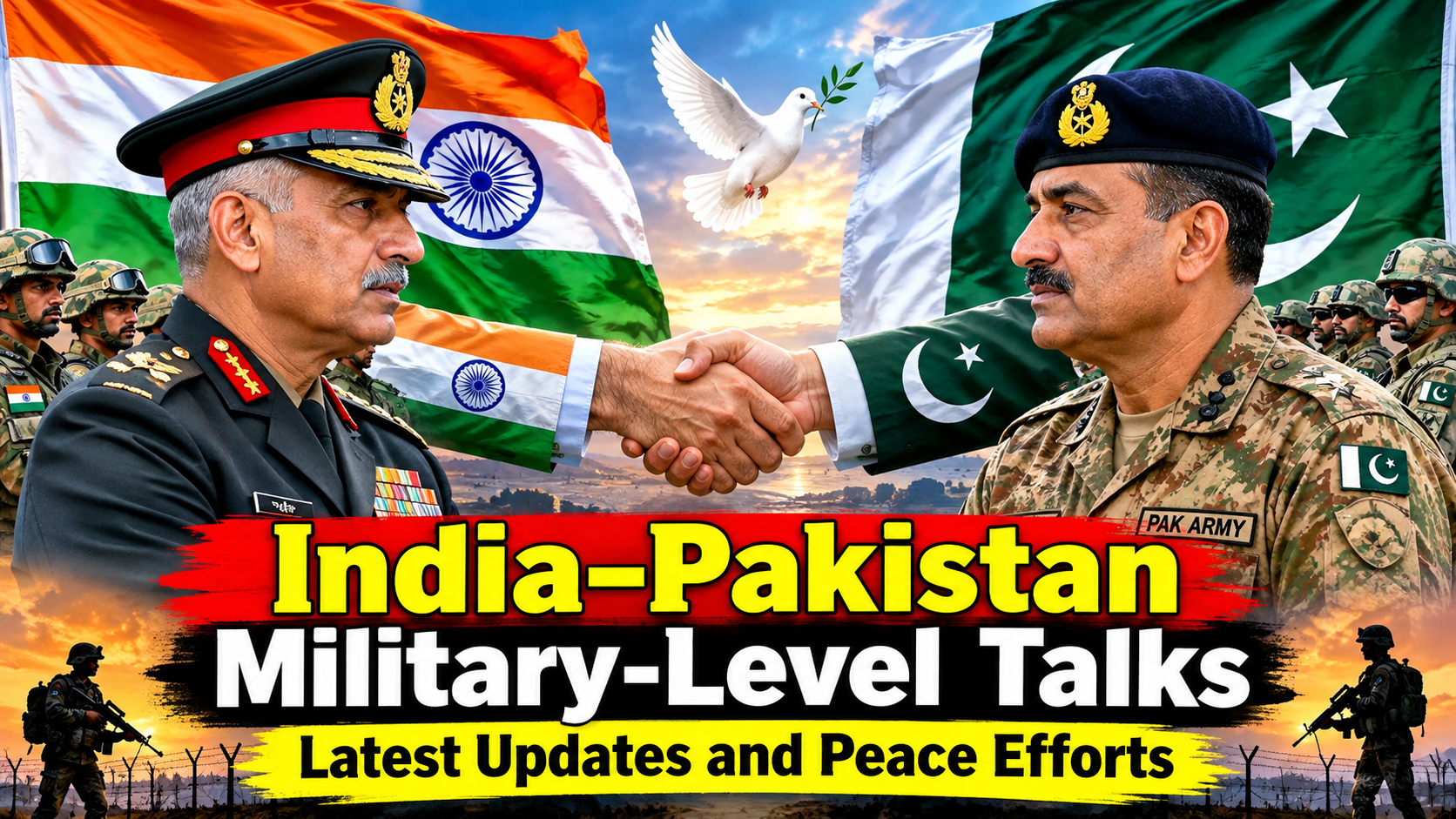
India and Pakistan have long shared a complicated relationship shaped by history, territorial disputes, security concerns, diplomacy and regional politics. Military-level talks between the two countries remain an important channel for communication, particularly when tensions rise along their shared border. Such discussions can help address security concerns, maintain communication and reduce the risk of misunderstandings.
Military-level talks are generally conducted through military representatives, senior officers or established communication channels. These discussions may focus on border stability, ceasefire arrangements, security-related concerns and the implementation of previously agreed measures. Although such talks do not necessarily lead to major political agreements, they can play an important role in maintaining stability between the two neighbouring countries.
India–Pakistan Military-Level Talks and the Current Situation
India and Pakistan continue to face challenges in maintaining stable diplomatic and security relations. In recent years, tensions between the two countries have affected official communication, regional cooperation and the possibility of restarting a broader peace dialogue.
As of November 26, 2026, there is no confirmed announcement of a new formal India–Pakistan bilateral military-level peace negotiation. However, discussions about restoring communication channels and reducing tensions remain important in regional security analysis. The International Institute for Strategic Studies (IISS) recently highlighted the importance of back-channel communication between the two countries, particularly during periods of heightened tension.
Why Military-Level Talks Matter
Military-level talks can serve as an important mechanism for maintaining stability between neighbouring countries. When diplomatic relations become strained, communication between military institutions can help address misunderstandings and encourage restraint.
India and Pakistan have previously used communication channels and agreements to discuss issues related to border stability and ceasefire arrangements. Such mechanisms can help both sides communicate concerns and avoid unnecessary escalation.
Military-level communication does not always mean that the two governments are ready to restart a comprehensive peace process. In many cases, discussions may be limited to specific security concerns or existing agreements. Nevertheless, maintaining communication can be valuable for both countries.
India–Pakistan Relations After Recent Tensions
Relations between India and Pakistan have faced renewed difficulties following the 2025 conflict. Political statements, security concerns and disagreements over several bilateral issues have contributed to a challenging diplomatic environment.
Since then, analysts have discussed the importance of restoring communication between the two countries. Some informal engagements involving retired officials and former diplomats have also been reported, although these are not equivalent to official government negotiations.
Both countries continue to have different positions on major political and security questions. These disagreements make the restoration of formal bilateral dialogue difficult.
The Role of Diplomacy and International Forums
International organisations and regional forums can provide opportunities for representatives from India and Pakistan to meet. The Shanghai Cooperation Organisation (SCO), for example, brings together member countries to discuss regional cooperation, economic development, security and other shared issues.
Participation in multilateral events does not automatically mean that bilateral negotiations are taking place. However, such meetings can provide opportunities for diplomatic contact and discussions on regional matters.
Diplomatic engagement through international forums can also help countries maintain communication even when their bilateral relationships are difficult.
Challenges to Restarting Official Talks
Several challenges continue to affect India–Pakistan relations. These include disagreements over terrorism, Kashmir, security, diplomatic trust and political expectations.
India has repeatedly emphasised its concerns regarding terrorism, while Pakistan has called for dialogue on outstanding bilateral issues, including Kashmir. The differences between their positions have contributed to the difficulty of restarting a sustained peace process.
Experts believe that improving communication, reducing political tensions and maintaining stability are important steps toward rebuilding trust. However, any progress depends on the decisions and policies of both governments.
What Could Happen Next?
The future of India–Pakistan military-level communication remains uncertain. While there is no confirmed announcement of a new formal bilateral military-level meeting as of November 26, 2026, the importance of communication continues to be discussed by analysts and policymakers.
Future diplomatic developments may depend on political decisions, regional security conditions and the willingness of both countries to maintain dialogue. Even limited communication can be meaningful if it helps reduce misunderstandings and supports stability.
The international community also has an interest in peaceful relations between India and Pakistan because stability in South Asia affects regional security, economic development and international cooperation.
Conclusion
India–Pakistan military-level talks remain an important subject in regional diplomacy and security discussions. Although formal bilateral engagement faces several challenges, communication channels can help reduce misunderstandings and encourage stability.
The future of relations between the two countries will depend on diplomacy, mutual trust, political decisions and efforts to address outstanding disagreements peacefully. Constructive communication and regional cooperation remain important for long-term peace and stability in South Asia.