
Introduction: What Is Diwali?
Contents
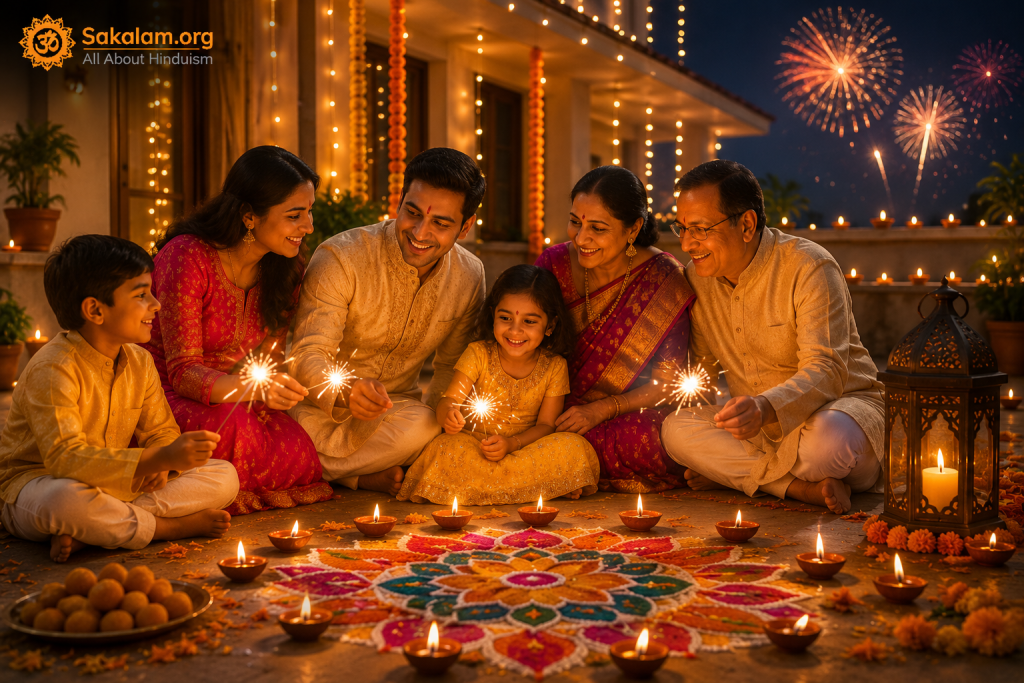
Diwali, also known as Deepawali, is one of the most popular and widely celebrated festivals in India. Known as the Festival of Lights, Diwali represents the victory of light over darkness, good over evil, and knowledge over ignorance. Millions of people celebrate this special occasion with family gatherings, colourful decorations, traditional sweets, prayers, gifts and beautiful lighting.
Diwali is not just a religious festival; it is also a celebration of happiness, unity, hope and new beginnings. People from different communities participate in the celebrations, making it one of the most important cultural occasions in the country.
During Diwali, houses, shops, offices and streets are decorated with colourful lights, diyas, candles and rangoli designs. Families prepare delicious food, exchange gifts and welcome friends and relatives.
The festival also brings people together and creates a joyful atmosphere across India.
History and Origin of Diwali
The history of Diwali is connected with several religious stories and traditions. One of the most popular stories comes from the Hindu epic Ramayana.
According to the Ramayana, Lord Rama returned to Ayodhya after spending 14 years in exile and defeating the demon king Ravana. The people of Ayodhya welcomed Lord Rama, Goddess Sita and Lakshmana by lighting rows of oil lamps. This tradition became an important part of Diwali celebrations.
Another important tradition connects Diwali with Goddess Lakshmi, who is worshipped as the goddess of wealth, prosperity and good fortune. Many families perform Lakshmi Puja during the festival and pray for happiness and financial well-being.
Different regions of India also celebrate Diwali through their own cultural and religious traditions. These stories make the festival meaningful for millions of people.
Diwali 2026 Date in India
Diwali 2026 will be celebrated on Sunday, 8 November 2026, according to the published 2026 holiday calendars of Indian government institutions.
The festival is traditionally observed on the Amavasya (new moon) of the Hindu lunar month of Kartik. The exact dates of associated celebrations and rituals can differ by regional calendar and tradition.
Importance of Diwali in Indian Culture
Diwali has a special place in Indian culture because it represents happiness, peace, prosperity and positive thinking.
For many Hindu families, Diwali is an opportunity to worship Goddess Lakshmi and Lord Ganesha. People believe that prayers and good deeds during the festival bring prosperity and happiness into their homes.
Diwali is also important for businesses and traders. Many business owners clean their shops, decorate their workplaces and begin new financial records during the festive period. In some communities, the occasion is associated with a new financial year.
The festival also promotes social relationships. People visit relatives, meet friends, exchange sweets and share happiness with their neighbours.
Five Days of Diwali Celebration
Diwali celebrations traditionally extend over five days, although customs vary across India.
1. Dhanteras
Dhanteras marks the beginning of the Diwali festival. People clean and decorate their houses and traditionally purchase household items, utensils or jewellery. Goddess Lakshmi and Lord Dhanvantari are worshipped in different traditions.
2. Naraka Chaturdashi
Naraka Chaturdashi, also called Choti Diwali, is associated with the victory of good over evil. People prepare for the main Diwali celebration by decorating their homes and preparing traditional food.
3. Lakshmi Puja and Main Diwali
The third day is the main Diwali celebration in many parts of India. Families decorate their houses with diyas, candles and electric lights. In the evening, people perform Lakshmi Puja and pray for prosperity and happiness.
4. Govardhan Puja
Govardhan Puja is celebrated after Diwali in many regions. It is associated with Lord Krishna and the Govardhan Hill story. People prepare special food offerings and participate in religious activities.
5. Bhai Dooj
Bhai Dooj celebrates the special relationship between brothers and sisters. Sisters pray for the happiness and well-being of their brothers, and families celebrate together.
How People Celebrate Diwali in India
Diwali celebrations look different across Indian states, but the basic message of happiness and togetherness remains the same.
Some of the most popular activities include:
-
Decorating houses with colourful lights and diyas.
-
Creating beautiful rangoli designs.
-
Performing Lakshmi and Ganesha Puja.
-
Preparing traditional sweets and delicious food.
-
Exchanging gifts with friends and relatives.
-
Wearing traditional clothes.
-
Visiting temples and participating in community celebrations.
In cities, shopping centres, markets and public places are decorated with colourful lights. Many people also organise cultural programmes and family gatherings.
Traditional Diwali Food and Sweets
Food is an important part of Diwali celebrations. Families prepare different varieties of traditional sweets and snacks.
Popular Diwali foods include:
-
Gulab Jamun
-
Ladoo
-
Kaju Katli
-
Jalebi
-
Rasgulla
-
Barfi
-
Chakli
-
Namak Pare
-
Samosa
-
Different varieties of homemade sweets
People exchange sweet boxes and food gifts with friends, relatives and neighbours. Sharing food is one of the most enjoyable parts of the festival.
Diwali Decorations and Rangoli Designs
Decorations make Diwali visually attractive. People use different creative ideas to make their homes beautiful.
Traditional clay diyas remain one of the most important decorations. Colourful rangoli designs are created near entrances using coloured powder, flowers and other decorative materials.
Electric lights, lanterns, candles and flower decorations are also popular. Many families prefer handmade decorations because they create a traditional and personal festive atmosphere.
Diwali Celebration in Assam
Diwali is celebrated with enthusiasm in Assam. People decorate their homes, light traditional lamps, visit temples and spend time with family members.
Markets in Guwahati and other towns become colourful during the festive season. Shops sell decorative lights, traditional items, sweets and gifts.
Many Assamese families prepare traditional food and sweets for guests. People also exchange greetings and visit relatives.
The celebration creates a festive atmosphere throughout the state and provides an opportunity for communities to come together.
Eco-Friendly Diwali: A Responsible Way to Celebrate
In recent years, eco-friendly Diwali celebrations have become an important topic. Traditional celebrations can be made more environmentally responsible through simple choices.
Some useful ideas include:
-
Use traditional clay diyas and reusable decorations.
-
Avoid unnecessary plastic decorations.
-
Choose locally prepared sweets and gifts.
-
Reduce waste during family celebrations.
-
Avoid excessive noise and activities that disturb animals and neighbours.
-
Use energy-efficient decorative lighting.
-
Keep streets and public places clean.
A responsible celebration helps protect the environment while preserving the happiness and traditions of Diwali.
Economic Importance of Diwali
Diwali is also an important festival for the Indian economy. During the festive season, shopping activities increase across several industries.
Retail shops, clothing businesses, sweet manufacturers, electronic stores, decoration sellers and online shopping platforms experience greater consumer interest.
Small businesses and local traders often depend on festive-season sales. Artisans who make clay lamps, decorative products and traditional handicrafts also receive opportunities to sell their products.
Online shopping has become another important part of modern Diwali celebrations. Customers purchase clothes, electronic products, household items and gifts through e-commerce platforms.
Therefore, Diwali contributes to business activities, employment opportunities and consumer spending in India.
Safety and Cleanliness During Diwali
A happy celebration should also be a safe and responsible celebration. Families should follow local safety rules and keep children away from hazardous materials.
People should avoid overcrowded areas, respect neighbours and maintain cleanliness. Special care should be taken around lamps and electrical decorations to prevent accidents.
Keeping the environment clean and respecting animals and elderly people can make the festival more enjoyable for everyone.
Conclusion
Diwali is much more than a festival of lights. It is a celebration of hope, happiness, peace, prosperity and the victory of good over evil. The festival brings families and communities together through prayers, decorations, traditional food and cultural activities.
Diwali 2026 will be celebrated on 8 November in India. As people prepare for the occasion, the festival offers an opportunity to appreciate Indian traditions and promote kindness, unity and environmental responsibility.
Whether celebrated through traditional diyas, beautiful rangoli, family gatherings or religious prayers, Diwali continues to hold a special place in Indian culture.