
India–Nepal Relationship: History, Trade, Friendship and Future Cooperation
Contents
India and Nepal share one of the closest relationships between two neighbouring countries in South Asia. Their connection is built on centuries of history, cultural traditions, religious links, geographical proximity, trade, and people-to-people relationships. Although the two countries are independent sovereign nations, their societies have deep connections that continue to influence everyday life on both sides of the border.
India and Nepal cooperate in several areas, including economic development, tourism, energy, transportation, security, education, environmental protection, and regional diplomacy. Their relationship is important not only for the two countries but also for the wider South Asian region.
History of India–Nepal Relations
India and Nepal have shared historical and cultural connections for centuries. The Himalayan region has never been simply a geographical boundary; it has also been a bridge connecting people, traditions, religions, and communities.
The relationship between the two countries has developed through historical agreements, diplomatic engagement, trade, migration, and cultural exchange. The 1950 Treaty of Peace and Friendship is one of the important foundations of modern India–Nepal relations. It helped establish a framework for closer cooperation and movement between the two countries.
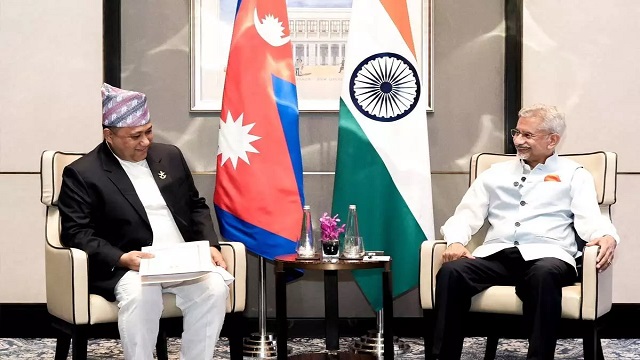
Both nations have continued diplomatic engagement through government visits, bilateral meetings, and agreements involving trade, infrastructure, security, and economic development.
The relationship is shaped by mutual interests, shared traditions, and the need for peaceful cooperation between neighbouring countries.
India and Nepal’s Open Border
One of the most distinctive features of India–Nepal relations is their open border. Citizens of the two countries enjoy relatively easy cross-border movement under longstanding arrangements, allowing people to travel for employment, education, tourism, business, family connections, and religious purposes.
The border connects Nepal with several Indian states, including Bihar, Uttar Pradesh, West Bengal, Sikkim, and Uttarakhand. Border communities often have close social and economic relationships, with families, businesses, and cultural traditions extending across the frontier.
The open border is an important part of the relationship, although both countries also cooperate on border management, law enforcement, and security concerns.
Trade and Economic Cooperation
Trade is one of the most important pillars of India–Nepal relations. India is a major trading partner of Nepal and an important source of investment, essential goods, services, and economic support.
Nepal imports a wide range of products from India, including petroleum products, machinery, medicines, food items, construction materials, and industrial goods. Indian businesses also participate in various sectors of Nepal’s economy through investment and joint ventures.
Economic cooperation includes:
-
Cross-border trade and commerce
-
Road and railway connectivity
-
Industrial and business investment
-
Agriculture and food supply
-
Energy and electricity cooperation
-
Education, healthcare and infrastructure
India’s large economy and Nepal’s growing development needs create opportunities for both nations to expand economic partnerships. Improved transportation infrastructure and smoother trade processes can help businesses and communities on both sides of the border.
Electricity and Hydropower Cooperation
Hydropower is another important area of cooperation between India and Nepal. Nepal has significant hydropower potential because of its Himalayan rivers and mountainous geography.
India and Nepal have been working to expand electricity trade, develop energy infrastructure, and strengthen cross-border transmission networks. Nepal can export electricity to India when production exceeds domestic demand, while regional electricity cooperation can support energy security and economic growth.
Hydropower development can also create employment opportunities, improve infrastructure, attract investment, and support Nepal’s long-term economic development.
Cultural and Religious Connections
Impotant religious destinations in Nepal, such as Pashupatinath Temple and Lumbini, attract pilgrims and visitors from India and around the world. Indian religious and cultural destinations also attract many Nepalese visitors.
Festivals such as Dashain, Tihar, Holi, and other traditional celebrations are observed in both countries, although customs and regional practices may differ.
These cultural links strengthen the relationship between ordinary citizens and contribute to tourism, hospitality, cultural exchange, and mutual understanding.
Infrastructure and Connectivity
Infrastructure development is a key priority in India–Nepal cooperation. Better roads, railways, bridges, transmission lines, and border facilities can make travel and trade easier.
Cross-border railway projects and road connectivity initiatives are designed to improve transportation between important cities and border areas. Improved infrastructure can reduce transportation costs, encourage tourism, and create new business opportunities.
Connectivity is particularly important for Nepal because it is a landlocked country. Access to regional markets and transport networks helps Nepal participate in international trade and economic activities.
India has also supported Nepal through various infrastructure, development, and reconstruction projects over the years.
Security and Border Cooperation
Security cooperation is another important part of India–Nepal relations. Both countries have an interest in maintaining peace, stability, and safety along their shared border.
Cooperation may involve addressing cross-border crime, human trafficking, illegal activities, border management, and other security challenges. Regular communication between security agencies and diplomatic authorities can help strengthen coordination.
Because the border is closely connected to local communities, security cooperation needs to balance public safety with the movement, livelihoods, and rights of people living in border areas.
Environmental and Wildlife Cooperation
Environmental cooperation is becoming increasingly important for India and Nepal. The two countries share ecosystems, rivers, forests, wildlife habitats, and environmental challenges.
In February 2026, India and Nepal signed a memorandum of understanding to strengthen cooperation in forests, wildlife, biodiversity conservation, environmental protection, and climate change. The agreement includes cooperation on wildlife corridors, conservation strategies, forest management, and the protection of shared ecosystems.
Press Information Bureau
Such cooperation is important for protecting biodiversity, managing environmental risks, supporting wildlife conservation, and promoting sustainable development across the Himalayan and Terai regions.
Challenges in India–Nepal Relations
Despite their close relationship, India and Nepal have occasionally faced disagreements. Border-related disputes, political differences, trade concerns, and public perceptions can sometimes affect diplomatic relations.
Both countries have different political priorities and national interests. Maintaining mutual respect, open communication, transparency, and diplomatic dialogue is important for addressing these challenges.
Strong bilateral institutions and regular discussions can help prevent disagreements from becoming long-term obstacles to cooperation.
Future of India–Nepal Relations
The future of India–Nepal relations could be shaped by expanding cooperation in renewable energy, tourism, digital technology, education, transportation, agriculture, trade, and environmental protection.
The development of new railway connections, hydropower projects, transmission infrastructure, and trade facilities could create new opportunities for economic growth.
Tourism also has considerable potential. Indian tourists visit Nepal for mountain trekking, religious travel, adventure tourism, and cultural experiences. Similarly, Nepalese visitors travel to India for pilgrimage, education, healthcare, business, and leisure.
Continued investment in connectivity, sustainable development, and people-to-people exchanges could strengthen the relationship in the coming years.
Conclusion
India and Nepal share a longstanding relationship built on geography, history, culture, economic cooperation, and people-to-people connections. Their partnership plays an important role in regional stability and economic development.
Although challenges and disagreements exist, cooperation in trade, energy, infrastructure, security, tourism, and environmental conservation provides opportunities to strengthen bilateral relations.
The India–Nepal relationship remains an important example of how neighbouring countries can work together to promote development, friendship, regional cooperation, and shared prosperity.