
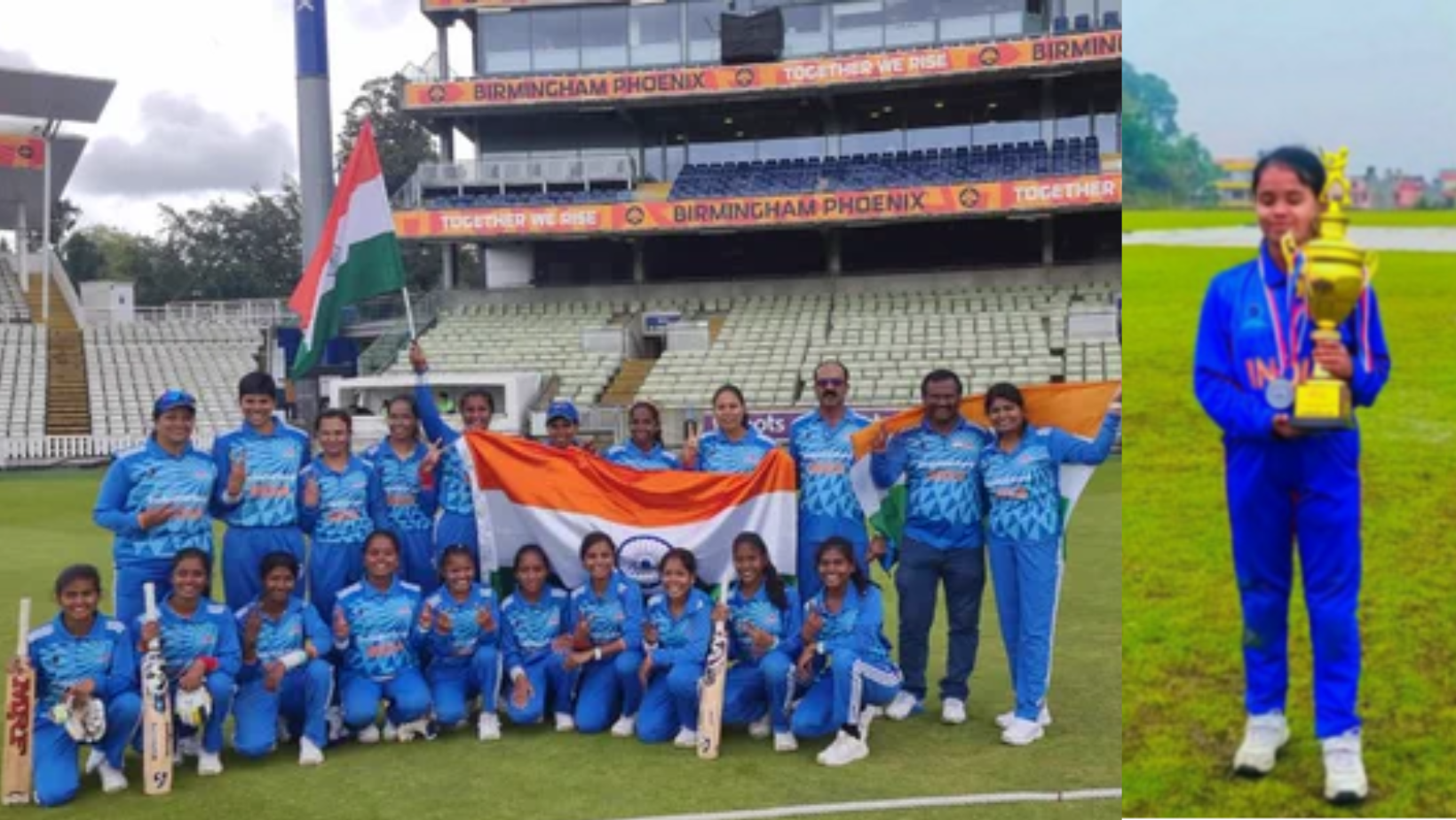
Simu Das: Assam’s Inspirational Blind Cricketer Who Made India Proud
Contents
Simu Das, the talented blind cricketer from Assam, has become an inspiration for millions of people across India. Her remarkable journey from Nagaon district to international cricket is a powerful example of determination, hard work, and courage. As a member of the Indian women’s blind cricket team, she played a significant role in India’s historic victory at the inaugural Women’s T20 Blind Cricket World Cup. Her outstanding performance in the final against Nepal brought her national recognition.
Who Is Simu Das?
Simu Das is an Indian blind women’s cricketer who comes from Nagaon district in Assam. She represents the growing strength of women’s cricket and para-sports in India. Her achievements demonstrate that talent, dedication, and the right opportunities can help athletes overcome significant challenges.
Simu was born completely blind and grew up in difficult financial circumstances. Despite these obstacles, she continued her education and developed her cricketing abilities. Her story is not only about sporting success but also about the importance of equal opportunities for athletes with disabilities.
According to media reports, her cricketing journey received support from the Cricket Association for the Blind in India (CABI) and the Samarthanam Trust for the Disabled. These organisations have played an important role in helping visually impaired athletes access training and competitive opportunities.
Simu Das and the Women’s T20 Blind Cricket World Cup
One of the biggest moments in Simu Das’s sporting career came during the inaugural Women’s T20 Blind Cricket World Cup. The Indian team won the final against Nepal in Colombo, creating a memorable moment for Indian blind cricket.
Simu made an exceptional contribution to the final. She scored 86 runs and took a crucial wicket, helping India secure victory. Her all-round performance earned her the Player of the Match award.
This achievement brought attention to blind women’s cricket, a sport that often receives less media coverage than mainstream cricket. Her performance demonstrated the skill, preparation, teamwork, and determination required to compete at the international level.
India’s victory was a proud moment for the country, especially for supporters of women’s cricket and inclusive sports. Simu’s contribution also highlighted the importance of providing more opportunities for athletes with disabilities.
The Challenges Behind Her Success
Simu Das’s success did not come easily. Reports have highlighted the financial difficulties faced by her family and the challenges of growing up without stable housing. She also has family responsibilities, including supporting a brother with multiple disabilities.
These circumstances could have made pursuing a sporting career extremely difficult. However, Simu continued working towards her goals and developed her abilities through training and perseverance.
Her journey reminds us that many talented athletes face barriers unrelated to their sporting ability. Financial difficulties, limited facilities, inadequate equipment, and a lack of public recognition can prevent promising players from reaching their potential.
Simu’s achievements show why sports organisations, governments, educational institutions, and communities should work together to support talented athletes from disadvantaged backgrounds.
Recognition from the Assam Government
Following India’s World Cup victory, Simu Das received significant recognition from the Assam Government.
In December 2025, Assam Chief Minister Himanta Biswa Sarma announced a financial reward of ₹10 lakh for her contribution to the winning team. The Assam Cabinet also approved her appointment as a Physical Instructor under the Directorate of Sports and Youth Welfare.
These decisions were important steps towards recognising her sporting achievements and providing a potential long-term career opportunity.
Government support can make a meaningful difference in the lives of athletes who have faced financial insecurity. Beyond the financial assistance itself, official recognition sends a message that achievement in para-sports deserves respect and investment.
Simu’s story may also encourage other states to develop stronger support systems for athletes with disabilities.
Why Simu Das Is an Inspiration for Young People
Simu Das has become a role model because her achievements demonstrate the value of persistence, discipline, and self-belief.
First, her journey highlights determination. Despite facing serious challenges, she continued pursuing cricket and earned a place on India’s national team.
Second, she represents women’s empowerment. Her success demonstrates that women can excel in competitive sports when they receive opportunities and support.
Third, she promotes inclusion. Her achievements remind society that disability should not prevent people from participating in sports, education, employment, or public life.
Finally, she inspires young athletes. Students and aspiring cricketers can learn from her commitment to training and her willingness to keep working towards her ambitions.
Her story also highlights the important role played by families, coaches, sports associations, and community organisations in helping athletes develop their potential.
The Importance of Blind Cricket in India
Blind cricket provides visually impaired athletes with an opportunity to participate in competitive sport and represent their country. It requires specialised equipment, adapted playing methods, communication, teamwork, and extensive practice.
However, blind cricket still needs greater public awareness and institutional support. More accessible training facilities, financial assistance, professional coaching, sponsorships, and regular competitions could help athletes build sustainable sporting careers.
Schools and colleges can contribute by organising inclusive sporting activities and encouraging students to learn about para-sports. Media organisations can also help by covering competitions and sharing the achievements of athletes who receive limited attention.
Simu Das’s success offers a valuable opportunity to encourage greater investment in these areas.
What Is Next for Simu Das?
Following her World Cup achievement and recognition from the Assam Government, Simu Das has an opportunity to continue contributing to Indian sport. Her experience can inspire future generations of blind cricketers and help raise awareness about inclusive sports.
Her appointment as a Physical Instructor could also allow her to contribute to sports development. Experienced athletes can play an important role in encouraging young people, promoting physical activity, and demonstrating the importance of discipline and teamwork.
Continued support from sports authorities and institutions will be important for creating more opportunities for athletes with disabilities across Assam and India.
Conclusion
Simu Das is more than a World Cup-winning cricketer. She represents determination, sporting excellence, and the importance of inclusion. Her performance in the final against Nepal, where she scored 86 runs and took a key wicket, helped establish her as an inspiring figure in Indian blind cricket.
Her journey from Nagaon district to international success demonstrates why talented athletes deserve opportunities regardless of their financial background or disability. The recognition and support she received from the Assam Government are encouraging steps towards a more inclusive sporting environment.
As awareness of blind cricket continues to grow, Simu Das’s achievements can inspire young athletes to pursue their dreams and encourage society to recognise talent wherever it exists.
Simu Das’s story sends a powerful message: opportunity, determination, and support can help people achieve remarkable things.
Sources: NDTV Sports and The Sentinel Assam reports on Simu Das and her World Cup achievement.