
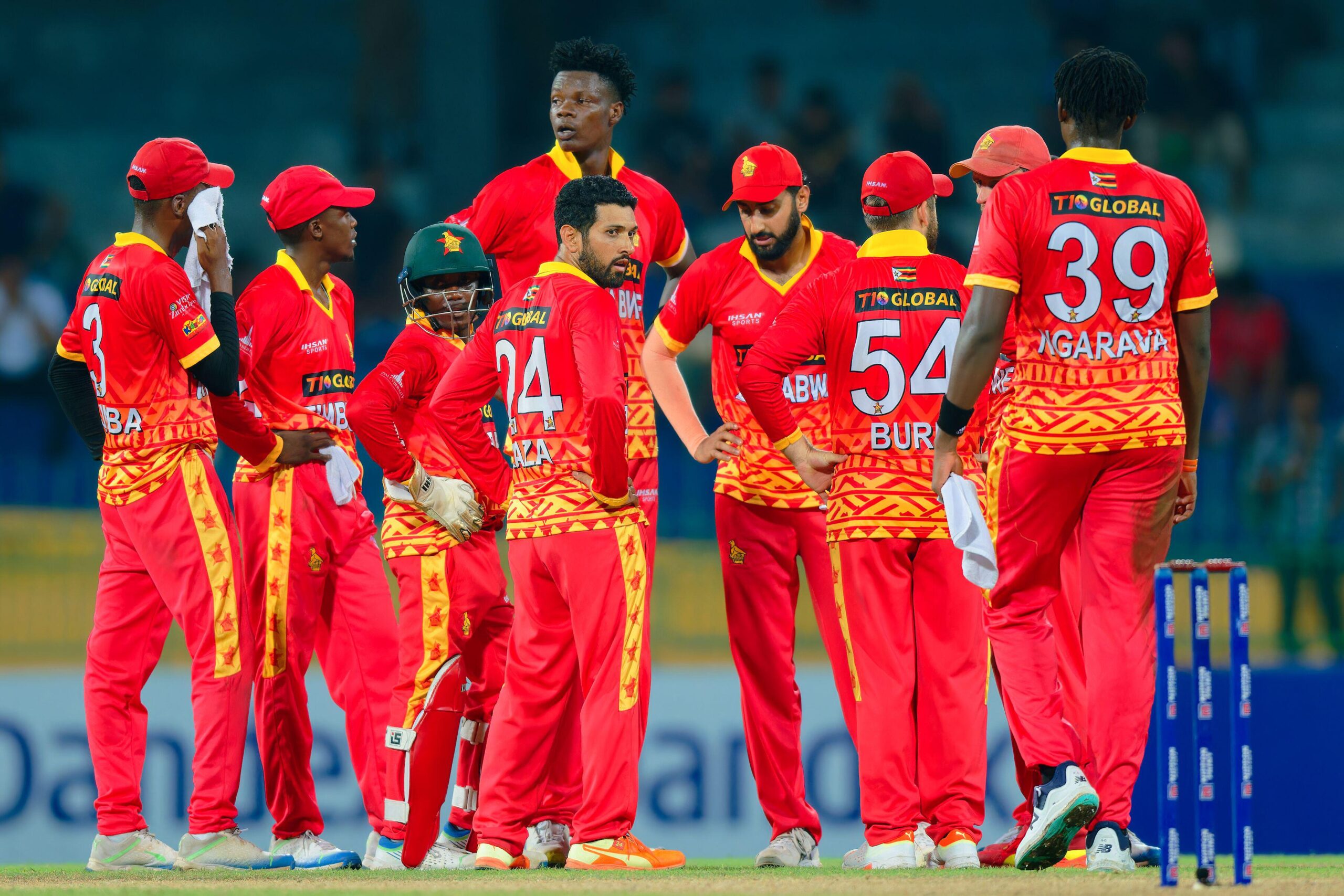
Zimbabwe vs Afghanistan ODI Series 2026: Results, Highlights, and Match Analysis
Contents
The Zimbabwe vs Afghanistan ODI Series 2026 was an exciting part of the UAE ODI Tri-Nation Series, featuring Afghanistan, Zimbabwe, and Bangladesh. The tournament gave cricket fans several competitive matches and showcased the strength of Afghanistan’s batting and bowling lineup. Afghanistan ultimately won the final against Zimbabwe on October 23, 2026, by seven wickets.
The competition attracted attention from cricket supporters who wanted to follow the latest performances of both teams. Afghanistan entered the final after a convincing victory over Zimbabwe in the league stage, while Zimbabwe aimed to challenge Afghanistan and finish the tournament with the trophy.
Overview of the Zimbabwe vs Afghanistan ODI Series 2026
The 2026 ODI tri-series was hosted in the United Arab Emirates. It featured three international teams competing in the league stage, followed by a final between the two leading teams.
Zimbabwe, led by Sikandar Raza in limited-overs cricket, brought a combination of experienced players and emerging talent. Afghanistan relied on its powerful batting order, versatile all-rounders, and experienced spin attack.
The tournament was important for both sides because it offered an opportunity to test their combinations and improve their performances in international one-day cricket.
According to the published tournament schedule, Zimbabwe faced Afghanistan on October 19, while the two teams met again in the final on October 23. Afghanistan won both encounters.
Zimbabwe vs Afghanistan ODI Match Results
The following matches were played between the two teams during the tournament.
First encounter: October 19, 2026
Afghanistan produced a dominant performance against Zimbabwe in their league-stage meeting.
Afghanistan scored 294 runs in 50 overs before bowling Zimbabwe out for 136 in 38.4 overs. Afghanistan won the match by 158 runs.
The result demonstrated Afghanistan’s ability to build a substantial total and defend it through disciplined bowling. Zimbabwe struggled to maintain a steady scoring rate during the chase and could not get close to the target.
The victory gave Afghanistan important momentum heading into the remaining matches of the tournament.
Final: October 23, 2026
The two teams met again in the final at Sharjah Cricket Stadium. Zimbabwe batted first and scored 169 runs before being dismissed in 43.3 overs.
Afghanistan then chased the target successfully, reaching 170 for three in 34.3 overs. The team won by seven wickets to claim the tri-series title.
Ibrahim Zadran played a key role in the chase, scoring an unbeaten 70 from 96 balls. Rahmat Shah contributed 43 runs, while Rahmanullah Gurbaz provided an aggressive start with 36 runs from 31 balls.
Zadran was named Player of the Match, and Rashid Khan received the Player of the Series award. These performances highlighted Afghanistan’s balance across batting and bowling.
Source: International Cricket Council match coverage.
Afghanistan’s Strong Batting Performance
Afghanistan’s batting was one of the major reasons behind its success in the tournament. The team demonstrated that it could approach different match situations with patience and confidence.
Rahmanullah Gurbaz provided attacking intent at the top of the order. His ability to score quickly helped Afghanistan establish early momentum during the final.
Ibrahim Zadran played a different but equally important role. Rather than taking unnecessary risks, he focused on building his innings and rotating the strike. His unbeaten 70 ensured that Afghanistan completed the chase without losing control.
Rahmat Shah also contributed valuable runs. His partnership with Zadran helped Afghanistan move closer to the target and reduced Zimbabwe’s chances of making a comeback.
The combination of aggressive stroke play and steady batting gave Afghanistan a clear advantage in the final.
Zimbabwe’s Performance and Challenges
Zimbabwe entered the tournament with experienced players, including Sikandar Raza, Craig Ervine, Brendan Taylor, and other members of its squad.
However, the team’s two defeats against Afghanistan exposed challenges with both batting consistency and the ability to defend against a strong opposition.
In the league-stage match, Zimbabwe were unable to chase Afghanistan’s total of 295 runs. In the final, the team struggled to build a competitive first-innings score after choosing to bat first.
Zimbabwe’s bowlers managed to take three wickets during Afghanistan’s chase in the final, but the target was not large enough to create sustained pressure.
Despite the disappointing result, the tournament offered useful lessons for Zimbabwe. Improving partnerships, reducing batting collapses, and maintaining pressure during the middle overs will be important areas for the team to address in future ODIs.
The Importance of Spin Bowling
Spin bowling remains an important part of Afghanistan’s cricketing identity. Rashid Khan is among the team’s most recognised players, and his experience provides leadership and control in the bowling department.
Afghanistan’s overall bowling performance helped restrict Zimbabwe to relatively modest totals in both encounters.
Spin bowling can be especially effective in one-day cricket when teams use variations in pace, flight, and length to limit scoring opportunities. At the same time, disciplined fast bowling can create early breakthroughs and increase pressure on the batting side.
Afghanistan’s combination of bowling options was a significant factor in its successful tournament campaign.
Key Players to Watch
Several players remain important to the future performances of both teams.
Ibrahim Zadran: His unbeaten 70 in the final demonstrated his ability to build an innings under pressure.
Rahmanullah Gurbaz: His attacking batting at the top of the order gives Afghanistan the opportunity to establish a fast start.
Rahmat Shah: His contribution in the final helped stabilise the innings and support the successful chase.
Rashid Khan: His experience and spin-bowling skills make him a central figure in Afghanistan’s limited-overs cricket.
Sikandar Raza: As an experienced Zimbabwean all-rounder and captain, he remains an important player for his team’s batting and bowling plans.
These players offer different strengths, from aggressive opening batting to controlled middle-order performances and effective bowling.
What the Results Mean for Future Cricket
Afghanistan’s victory in the tri-series final provides confidence for its upcoming international fixtures. The team’s performances demonstrated the value of consistent batting partnerships, effective bowling combinations, and calm decision-making during a chase.
Zimbabwe, meanwhile, can use the experience to identify weaknesses and develop a stronger approach to one-day cricket.
For supporters, the two Afghanistan victories showed how quickly the momentum of an ODI match can change. A strong total, regular wickets, and partnerships at the right time can determine the outcome of a contest.
The series also provided opportunities for players to gain experience in UAE conditions, which can differ from the pitches and weather found in their home countries.
Conclusion
The Zimbabwe vs Afghanistan ODI encounters in October 2026 produced a clear winner, with Afghanistan defeating Zimbabwe by 158 runs in the league stage and seven wickets in the final. The final victory secured Afghanistan the UAE ODI Tri-Nation Series title.
Ibrahim Zadran’s unbeaten 70, Rahmat Shah’s valuable contribution, and Rashid Khan’s overall tournament performance were among the major highlights. Zimbabwe showed moments of resistance but could not produce the batting totals needed to challenge Afghanistan successfully.
Cricket fans will now look forward to the teams’ upcoming international matches and see how both sides build on their experiences from the tournament. Afghanistan will aim to maintain its momentum, while Zimbabwe will seek stronger performances in future